
Salat Al Gawthiya exposed.
Some sufis often use following narration to ask help from Shaykh Jeylani rahimahullah.
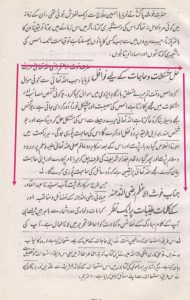
Abul Hasan Ali bin Yusuf Al Shatnoofi narrated from Abul Ma’ali who narrated from Abul Hasan Ali Jabbar who narrated this story and said I heard from Abul Qasim Bazzar who heard from Shaikh Muhi-ud-Din Abdul Qadir Jilani saying:
من استغاث بي في كر بة كشفت عنه و من نادى باسمي في شدة فرجت عنه و من توسل بي الى الله عز و جل في حاجته قضيت له و من صلى ركعتين يقرء في كل ركعة بعد الفاتحة سورة الاخلاص احدى عشرة مرة ثم يصلى على رسول الله صلى الله تعالى عليه و سلم بعد السلام و يسلم عليه ثم يخطوا الى جهة العراق احدى عشرة خطوة يذكر فيها اسمي و يذكر حاجتي فانها تقضي
“If a person in distress or hardships calls out to me, his hardship will be eradicated. If a person uses my name as a Wasila (medium) when he pleads to Allāh Subhanahu wa Ta’ala, his need will be fulfilled. One should perform two Rakats of Salah and in every Rak’at one should recite the Surah Fatiha eleven times, and thereafter, Surah Ikhlas eleven times. After completing the Salah, one must recite the Durood and Salam (Salawat or Durood Sharif) upon Sayyiduna Rasoolullah Sallallahu ‘Alaihi wasallam THEN WALKS A DISTANCE OF ELEVEN STEPS TOWARDS BAGHDAD AND TAKE MY NAME AND PRESENTS HIS NEED, ALLAH WILLING, THAT NEED WILL BE FULFILLED’.
[Bahjat al Asrar page :102، فضل ذكر أصحابه وبشراھم، طبع مصر ]
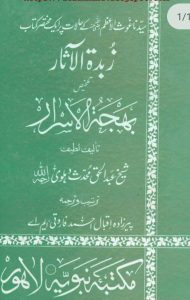
Above narration is also mentioned in Talkhees of Bahjat al Asrar by the name of Zubdatul Athaar Talkhees Bahjat al Asrar by Abdul Haq Dehalwi.
This is a clear fabrication due to three reasons.
1. Who is teacher of Shatnoofi, Abul Ma’ali.
We don’t know anything about him.
2. Abul Qasim Al Bazzar.
We don’t have clear trustworthiness of Abul Qasim Al Bazzar.
3. Shatnoofi the author of the book himself was a liar even though he was a beautiful Qari.
a) The great scholar of ilm Al Rijal, the great Hafidh ad-Dhahabi said regarding him and his book.
جمع الشيخ نور الدين الشطنوفي المقري كتابا حافلا في سيرته وأخباره في ثلاث مجلدات، أتى فيه بالبرة وأذن الجرة، وبالصحيح والواهي والمكذوب، فإنه كتب فيه حكايات عن قوم لا صدق لهم.
Shaykh Noor al Din Shatnoofi Al Muqri wrote a three volume book on the life (of Shaykh Abdul Qadir Jeylani Rahimaullah) in which he gathered everything good, bad, authentic, too weak and fabrications. He took narrations from those who were not truthful at all. [Tareekh al Islam 12/252]
He also mentioned him in his book of reciters of Quran, He said:
ﺣﻀﺮﺕ ﻣﺠﻠﺲ ﺇﻗﺮﺍﺋﻪ، ﻓﺄﻋﺠﺒﻨﻲ ﺳﻤﺘﻪ ﻭﺳﻜﻮﻧﻪ، ﻭﻛﺎﻥ ﺫﺍ ﻏﺮﺍﻡ ﺑﺎﻟﺸﻴﺦ ﻋﺒﺪ ﺍﻟﻘﺎﺩﺭ ﺍﻟﺠﻴﻠﻲ . ﺟﻤﻊ ﺃﺧﺒﺎﺭﻩ ﻭﻣﻨﺎﻗﺒﻪ ﻓﻲ ﻧﺤﻮ ﻣﻦ ﺛﻼﺙ ﻣﺠﻠﺪﺍﺕ، ﻭﻛﺘﺐ ﻓﻴﻬﺎ ﻋﻤﻦ ﺃﻗﺒﻞ ﻭﺃﺩﺑﺮ، ﻓﺮﺍﺝ ﻋﻠﻴﻪ ﻓﻴﻬﺎ ﺣﻜﺎﻳﺎﺕ ﻛﺜﻴﺮﺓ ﻣﻜﺬﻭﺑﺔ . »
I visited his gatherings of Qira’at I liked his sitting and silence and he used to love Shaykh Abdul Qadir Al jeeli extremely. He gathered his (Al jeylani’s) virtues in three volumes in which he mentioned (everything) good, bad, right and wrong. Due to this many false stories have been spread among the people.
[Muarifat Al Qurra Al Kubaar page 397]
In short, adh-Dhahabi enjoyed his gatherings on Qiraat, but due to his books, many falsehoods were spread among the people, as we can still see today.
b) Ibn Hajr al Asqalani said:
Ibn hajr said:
ولا شكَّ أنه مَنْ ليست له بصيرةٌ بنقد الرواة ثمَّ قصد الإكثار، فإنَّه يصير حاطِبَ ليل يجمع الغثَّ والسَّمينَ وهو لا يدري، وهذا حال جامع “البهجة
“Certainly, whoever lacks insight into evaluating narrators, and then seeks to accumulate (narrations), becomes like a night gatherer (Haatib ul Layl), collecting both worthless and valuable things, without knowing. This is the condition of the compiler of ‘Al-Bahja’.”
“Kitab al-Jawahir wa al-Durar fi Tarjamah Shaykh al-Islam Ibn Hajar (2/942)”
He also said:
PEOPLE used to respect and venerate him, and attributed him among the good people, and a group benefited from his qira’at. He gathered a biography of Shaykh jeylani by the name of Bahjat (Al Asrar) Shaykh al-Kamaal Ja’afar said
وذكر فيها غرائب وعجائب وطعن الناس في كثير من حكاياته ومن أسانيده فيها وكان عالما تقيا مشكور السيرة
“He (Shatnoofi) has mentioned very strange and odd things in this book (Bajhat ul Asrar) and the people have criticized most of the incidences he has mentioned and their chains. (Ibn Hajar said) He was a Taqi scholar who had mashkoor seerah.
[ad-Durr al-Kaaminah 3/142]Hajji Khalifah said in Kashf al-Zunūn 2/159
قال الشيخ عمر بن عبد الوهاب العرضي، الحلبي، في ظهر نسخة من نسخ البهجة : ذكر ابن الوردي في تاريخه: أن في البهجة أمورا لا تصح، ومبالغات في شأن الشيخ عبد القادر، لا تليق إلا بالربوبية.انتهى, وبمثل هذه المقالة، قيل عن الشهاب ابن حجر العسقلاني.وأقول: ما المبالغات التي عزيت إليه، مما لا يجوز على مثله، وقد تتبعت، فلم أجد فيها نقلا، إلا وله فيه متابعون، وغالب ما أورده فيها، نقله اليافعي في (أسنى المفاخر) ، وفي (نشر المحاسن) ، و (روض الرياحين) ؛ وشمس الدين بن الزكي الحلبي أيضا، في (كتاب الأشراف) .
وأعظم شيء نقل عنه: أنه أحيى الموتى، كإحيائه الدجاجة.
ولعمري إن هذه القصة، نقلها: تاج الدين السبكي، ونقل أيضا عن ابن الرفاعي، وغيره.
وأنى لغبي، جاهل، حاسد، ضيع عمره في فهم ما في السطور، وقنع بذلك عن تزكية النفس، وإقبالها على الله – سبحانه وتعالى – أن يفهم ما يعطي الله – سبحانه وتعالى – أولياءه من التصريف في الدنيا والآخرة، ولهذا قال الجنيد: التصديق بطريقتنا ولاية. انتهى.
Sheikh ‘Umar ibn ‘Abd al-Wahhab al-‘Ardi, al-Halabi (950 AH 1024 AH), wrote on the back of a manuscript copy of al-Bahjah:
“Ibn al-Wardi mentioned in his history that al-Bahjah contains matters that are not authentic, and exaggerations regarding Shaykh ‘Abd al-Qadir that are fitting only for divinity.”
It is with statements like this that similar remarks were made about al-Shihab Ibn Hajar al-‘Asqalani.
And I say: What are these exaggerations attributed to him that are deemed impermissible for the likes of him? I have thoroughly investigated and did not find any narration among them except that he has corroborating narrators for it. Most of what he mentioned therein has been transmitted by Al-Yāfiʿī in Asnā al-Mafākhir, Nashr al-Maḥāsin, and Rawḍ al-Rayāḥīn, as well as by Shams al-Dīn ibn al-Zakī al-Ḥalabī in Kitāb al-Ashrāf.
The greatest thing narrated about him is that he revived the dead, such as reviving a chicken. By my life, this story has been transmitted by Tāj al-Dīn al-Subkī and also narrated from Ibn al-Rifāʿī and others.
How can a fool, an ignorant, and an envious one who wasted his life trying to understand what is written on lines [of book] and contented himself with that, instead of purifying his soul and turning it toward Allah, the Exalted and Most High ever comprehend what Allah, the Exalted and Most High, grants His saints in terms of spiritual authority in this world and the Hereafter? This is why Al-Junayd said: “Belief in our way is sainthood (wilāyah).”
(End quote)
The truth is with Ibn al-Wardi, Ibn Hajar al-Asqalani, al-Dhahabi, Ibn Rajab, and others. What Haji Khalifa said does not prove that the book contains no exaggerations. It simply means that some other scholars also mentioned those karāmāt which Ahl al-Sunnah also affirm.
c) The Ottoman-Turkish polymath Mustafa bin Abdullah known as Haji Khaliphah (1017 h to 1068 h) said:
« ﺟﻤﻊ ﺍﻟﺸﻴﺦ ﺃﺑﻮ ﺍﻟﺤﺴﻦ، ﺍﻟﻤﻘﺮﻱ، ﺍﻟﺸﻄﻨﻮﺣﻲ، ﺍﻟﻤﺼﺮﻱ، ﻓﻲ ﺃﺧﺒﺎﺭﻩ، ﻭﻣﻨﺎﻗﺒﻪ ﺛﻼﺛﺔ ﻣﺠﻠﺪﺍﺕ ﻭﻓﻴﻪ ﻣﻦ ﺍﻟﺸﻄﺢ، ﻭﺍﻟﻄﺎﻣﺎﺕ، ﻭﺍﻷﺑﺎﻃﻴﻞ، ﻣﺎ ﻻ ﻳﺤﺼﻰ ﻭﺫﻛﺮ ﺍﻷﻓﻮﺩﯼ ﺃﻧﻪ ﻣﺘﻬﻢ ﺑﻬﺎ . »
Shaykh Abul Hasan Al Muqri Al Shatnoohi the Egyptian gathered the Narrations and virtues (of Shaykh jeylani) in three volumes in which he mentioned mountains of lies and Afoodi mentioned that he (Shatnoofi) is accused due to this (i.e. he was considered liar in gathering those Narrations mentioned in the book).
[Kashf al Dhunoon, baab Manaqib Shaykh Abdul Qadir Jilani]
d) Ibn Rajab al Hanbali (rahimahullah) said regarding him.
ولكن قد جمع المقرئ أبو الحسن الشطنوفي المصري، في أخبار الشيخ عبد القادر ومناقبه ثلاث مجلدات، وكَتَبَ فيها الطم والرم، وكفى بالمرء كذباً أن يحدث بكل ما سمع. وقد رأيتُ بعض هذا الكتاب، ولا يطيب على قلبي أن أعتمد على شيء مما فيه، فأنقل منه إلا ما كان مشهوراً معروفاً من غير هذا الكتاب، وذلك لكثرة ما فيه من الرواية عن المجهولين، وفيه،من الشطح، والطامات، والدعاوى، والكلام الباطل، ما لا يحصى، ولا يليق نسبة مثل ذلك إلى الشيخ عبدالقادر رحمه الله، ثم وجدت الكمال جعفر الأدفوني، قد ذكر أن الشطنوفي نفسه كان متهماً فيما يحكيه في هذا الكتاب بعينه.
“Shatnoofi has written a three volume book on Shaykh Abdul Qaadir (rahimahullah) and in it he has compiled a mountain of lies. Whereas it is sufficient for a person be declared a liar for him to narrate everything he hears. I have seen some of the quotes in the book but my soul was not content in believing them because firstly the narrations have been taken from unknown people.
Secondly not only are their mountains of lies and allegations on Shaykh Abdul-Qaadir but it is also contrary to the status of the Shaykh if attributed to him. The statement of Shaykh al-Kamaal has also passed by me where he says the things Shatnoofi has mentioned in his book Bahjatul-Israar have caused him to be accused (of lying).”
[Dha’il Tabaqaat 2/194-195].d) This book contains those things of Shaykh which are applicable for Allah only.
Abdul Hai Lucknowi Hanafi said quoted from Kash al Dhunoon of Haji Khaliphah:
ذكر ابن الوردي في تاريخه إن في البهجة أمورا لا تصح
ومبالغات في شأن الشيخ عبد القادر لا تليق إلا بالربوبية انتهى أي كلام ابن الوردي
Ibn Al wardi (691h – 749 h) mentioned in his tareekh that in Bhjat (of Shatnoofi) the things are not authentic, And extremism in praise of Shaykh Abdul Qadir which are not applicable for anyone other than Rububiyah. [Athaar Al Marfua fe akhbar Al madhua page 66]
Conclusion.
The chain is dark as it has unknown people and the author himself is disputed. Ibn Hajar praised him as he was a good qari due to that people used to venerate him. But as for the book even Ibn Hajar mentioned the criticism which is the main point of discussion. Whereas, Ibn Rajab considered him a liar, ad Dhahabi rejected his book as it has everything. And Ibn al Wardi said this book contains extremism in praise of Shaykh Jeylani to the extent that they are applicable for Rububiyah.
The religion is not taken from Bahjatul asrar rather it is taken from Quran and Sunnah. Tomorrow if we make salat Al wahabiya or salat Al Raza Khaniya. Would you start praying if the sufis accept those as well?
Note: The translations are already done by Islam reigns WordPress apart from the quote by ad-Dhahabi, Ibn al Wardi and the quote by Ibn Hajar without arabic.